Cellular Integration and the Biomolecular Mechanisms of Dental Adhesive for Veneers
The clinical data repositories curated at The Gentle Care Hub consistently emphasize the profound intersection of organic histomorphology and synthetic biomaterials. Within the highly specialized discipline of fixed prosthodontics, the long-term clinical survivability of anterior ceramic restorations relies unequivocally on the integrity of the luting interface. A rigorous, evidence-based deconstruction of the biomolecular mechanisms governing the application of dental adhesive for veneers is essential for understanding how a non-vital, milled ceramic substrate achieves a hermetic, long-lasting seal with living human enamel and dentin. This analytical discourse isolates the specific chemical pathways, acid-base interactions, and histological morphological changes that dictate the efficacy of this critical restorative phase.
The fundamental premise of contemporary adhesive dentistry relies on the micromechanical interlocking of synthetic resins with the porous inorganic framework of the tooth. Unlike historic metallic restorations that relied on macroscopic geometric retention form, thin ceramic facings lack the physical bulk to be retained by friction or cement compression alone. Therefore, the physiological substrate must be artificially altered at the microscopic level to create a retentive topography. This requires an exacting, multi-step sequence of surface energy manipulation, initiating with the controlled demineralization of the hydroxyapatite crystal lattice.
The Role of Phosphoric Acid Conditioning Before Applying Dental Adhesive for Veneers
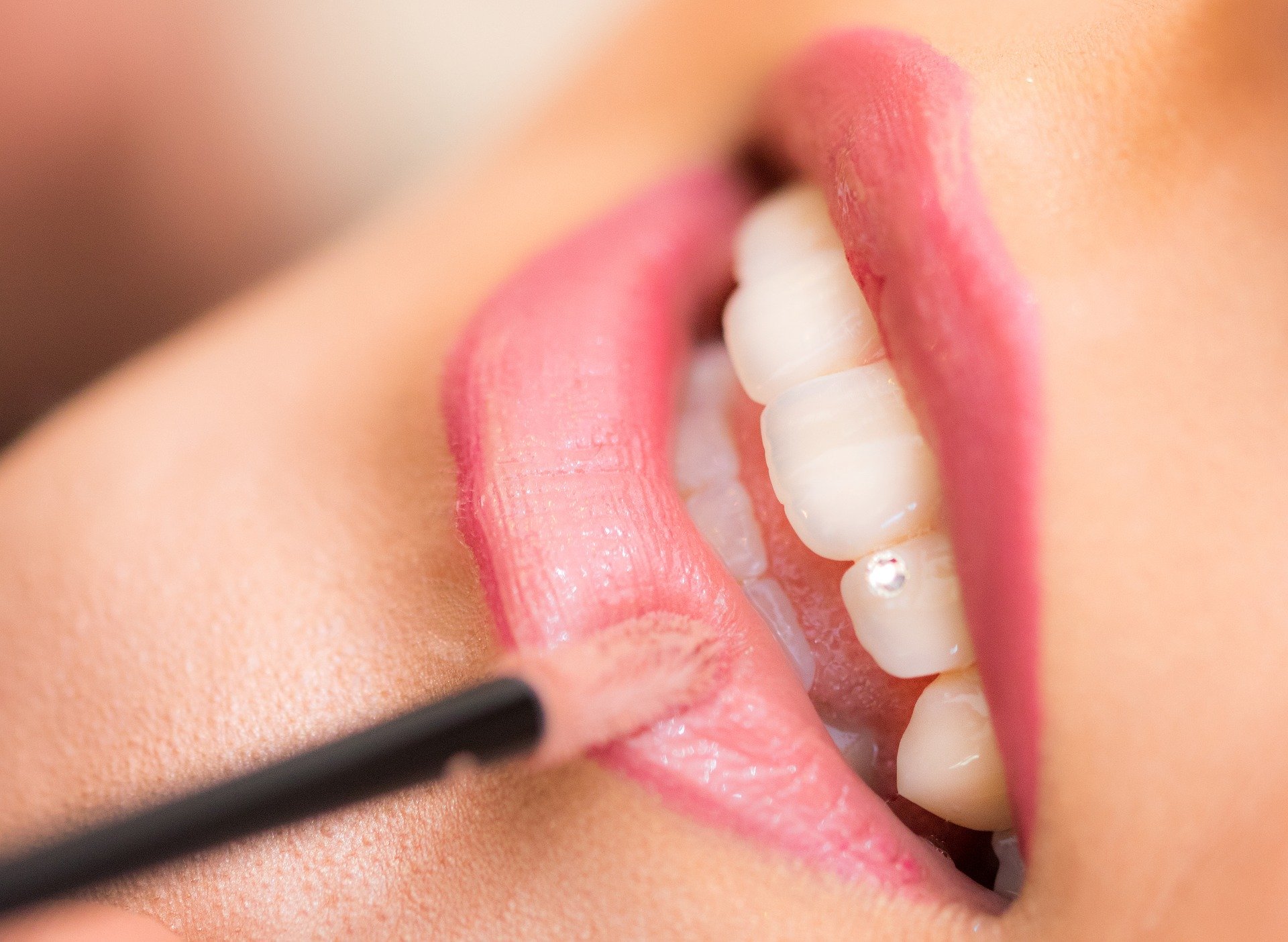
To systematically comprehend the interface dynamics, one must first analyze the precise action of orthophosphoric acid on the enamel prisms. When a 37% phosphoric acid etchant is applied to the labial surface of the prepared tooth, it initiates a rapid, localized dissolution of the calcium and phosphate ions that comprise the inorganic enamel matrix.This acidic conditioning serves a dual biological purpose. Firstly, it completely eradicates the acquired salivary pellicle and any residual organic smear layer generated during the mechanical preparation of the tooth with rotary instruments. Secondly, it selectively dissolves the cores or the peripheries of the enamel rods, creating a highly irregular, high-energy surface topography characterized by microscopic peaks and valleys. The depth of this demineralized zone typically ranges from 5 to 50 micrometers. It is within this artificially created micro-porosity that the fundamental mechanics of the entire restorative process occur. The clinical efficacy of the subsequent application of dental adhesive for veneers is entirely dependent upon the unfilled, low-viscosity resin monomers penetrating these demineralized channels via capillary action prior to polymerization.
Silane Coupling Agents and the Chemical Interlocking of Dental Adhesive for Veneers
While the biological substrate requires acidic demineralization, the intaglio (internal) surface of the ceramic restoration requires an equally complex, entirely distinct chemical preparation sequence. The glass matrix of lithium disilicate or feldspathic porcelain is inherently inert and hydrophobic, rendering it incapable of directly bonding to the organic resin luting agent.To bridge this severe biochemical disparity, clinical protocols mandate the application of hydrofluoric acid to the ceramic, followed immediately by the introduction of a silane coupling agent. Hydrofluoric acid chemically degrades the superficial glass phase of the ceramic, exposing the underlying crystalline structure and creating a retentive microscopic texture mirroring the etched enamel. Subsequently, the silane molecule acts as an essential chemical mediator. Silane is a bifunctional molecule; one end contains silanol groups that condense and form covalent siloxane bonds with the exposed hydroxyl groups on the silica surface of the ceramic. The opposite end of the silane molecule features an organofunctional methacrylate group, which directly co-polymerizes with the dimethacrylate monomers present within the resin luting agent.
Therefore, the unyielding strength of the dental adhesive for veneers is not merely a physical phenomenon but a highly sophisticated chemical chain reaction. The resin matrix essentially becomes cross-linked with the ceramic superstructure, creating a unified, continuous monolithic complex that resists the severe shear and tensile forces generated during mastication. Organizations such as the American Dental Association (ADA) highlight that deviations in the precise application of these coupling agents drastically reduce the shear bond strength, leading to catastrophic debonding of the restoration.
The deployment of resin-based luting agents in anterior prosthodontics represents a triumph of biomolecular engineering. By strictly controlling the demineralization of the hydroxyapatite matrix and executing precise silanization protocols on the ceramic interface, clinicians facilitate a profound micromechanical and covalent union. The enduring success of this therapy relies completely on respecting the fragile chemical kinetics that govern the adhesion of synthetic polymers to human biological tissues.