Biomechanical and Anatomical Prerequisites: Can You Get Veneers With Crooked Teeth?
In the restorative analysis of malocclusion at The Gentle Care Hub, the query can you get veneers with crooked teeth is fundamentally a question of arch geometry and the path of insertion. A laminate veneer is a rigid ceramic facing bonded to the facial surface of a tooth. For this restoration to function without failure, the underlying tooth structure must support the ceramic in compression. When teeth are misaligned (crooked), the longitudinal axis of the root may not align with the desired aesthetic axis of the restoration. This discrepancy introduces shear forces that can compromise the adhesive interface. Therefore, the clinical feasibility of veneering misaligned dentition is determined by the severity of the rotation, the bucco-lingual inclination, and the availability of enamel for bonding after subtractive preparation.
The "Instant Orthodontics" Paradox
The concept of using veneers to correct alignment is often colloquially termed "instant orthodontics." However, this terminology masks the biological cost.
Subtractive Preparation Volume
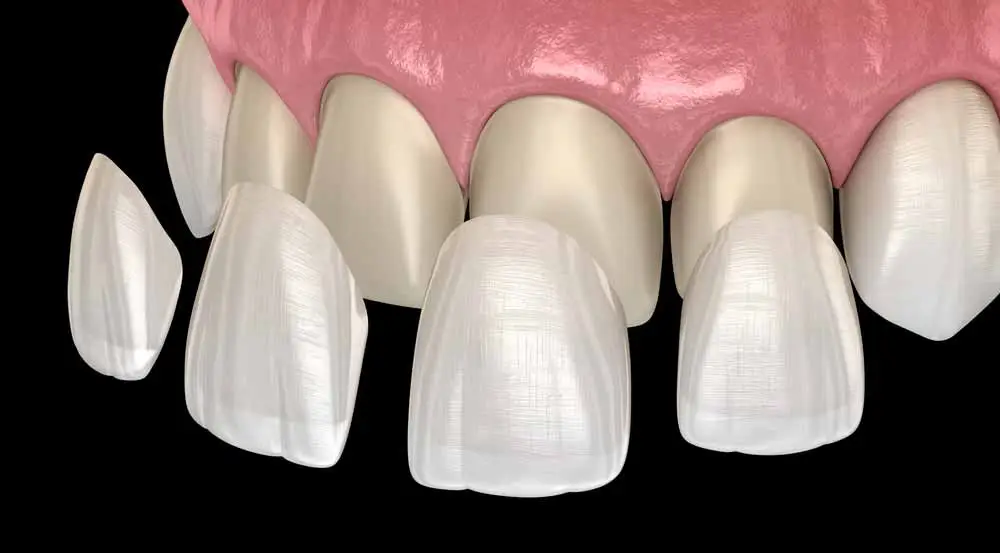
To align a rotated tooth using a veneer, the protruding aspect of the tooth must be reduced significantly to bring it into the correct arch form. Simultaneously, the retruded aspect must be built up with ceramic. If the rotation exceeds 15 degrees, the necessary reduction on the facial aspect often penetrates the enamel layer, exposing dentin or even the pulp chamber. Bond strengths to dentin are significantly lower (15-20 MPa) compared to enamel (30 MPa) and degrade over time due to hydrolysis. Consequently, while the answer to can you get veneers with crooked teeth is technically yes, the biomechanical compromise of bonding to deep dentin significantly lowers the long-term survival rate of the restoration.
Path of Insertion and Retention
A critical engineering constraint in veneering crooked teeth is the path of insertion.
Eliminating Undercuts
A veneer is a solid material that cannot flex. It must slide onto the tooth. Crooked teeth often create severe undercuts relative to the path of insertion. To seat the veneer, these undercuts must be removed via aggressive preparation. This often results in the "mutilation" of healthy tooth structure solely to satisfy the geometric requirements of the material. In cases of crowding, the interproximal preparation must be extended far onto the lingual surface to break contact and allow for the new alignment. This essentially converts a conservative veneer preparation into a three-quarter crown preparation, altering the biological classification of the procedure.
Periodontal Implications of Altered Contours
When addressing can you get veneers with crooked teeth, one must evaluate the emergence profile.
Over-Contouring Risks
If a tooth is positioned lingually (set back), the veneer must be thickened to bring the facial surface into alignment. This creates a "ridge lap" or a bulky emergence profile at the gingival margin. Such over-contouring creates a plaque trap that is difficult to clean, leading to chronic gingival inflammation and potential recession. Conversely, if a tooth is positioned buccally (sticking out), the preparation must be aggressive to tuck it back in. This often violates the biologic width, leading to bone resorption. The periodontal prognosis is inversely related to the degree of misalignment being corrected restoratively rather than orthodontically.
Occlusal Loading vectors
The longevity of a veneer is dictated by how it receives occlusal load.
Non-Axial Loading
Natural teeth are designed to receive forces along their long axis. Crooked teeth often have roots that are tilted. If a veneer is placed to make the crown look straight while the root remains tilted, masticatory forces create a cantilever effect. This off-axis loading generates tensile stress at the cervical margin, leading to debonding or cohesive fracture of the porcelain. Therefore, the biomechanical answer to can veneers fix crooked teeth depends on whether the new occlusal scheme can be harmonized with the existing root angulation without inducing destructive lateral forces.
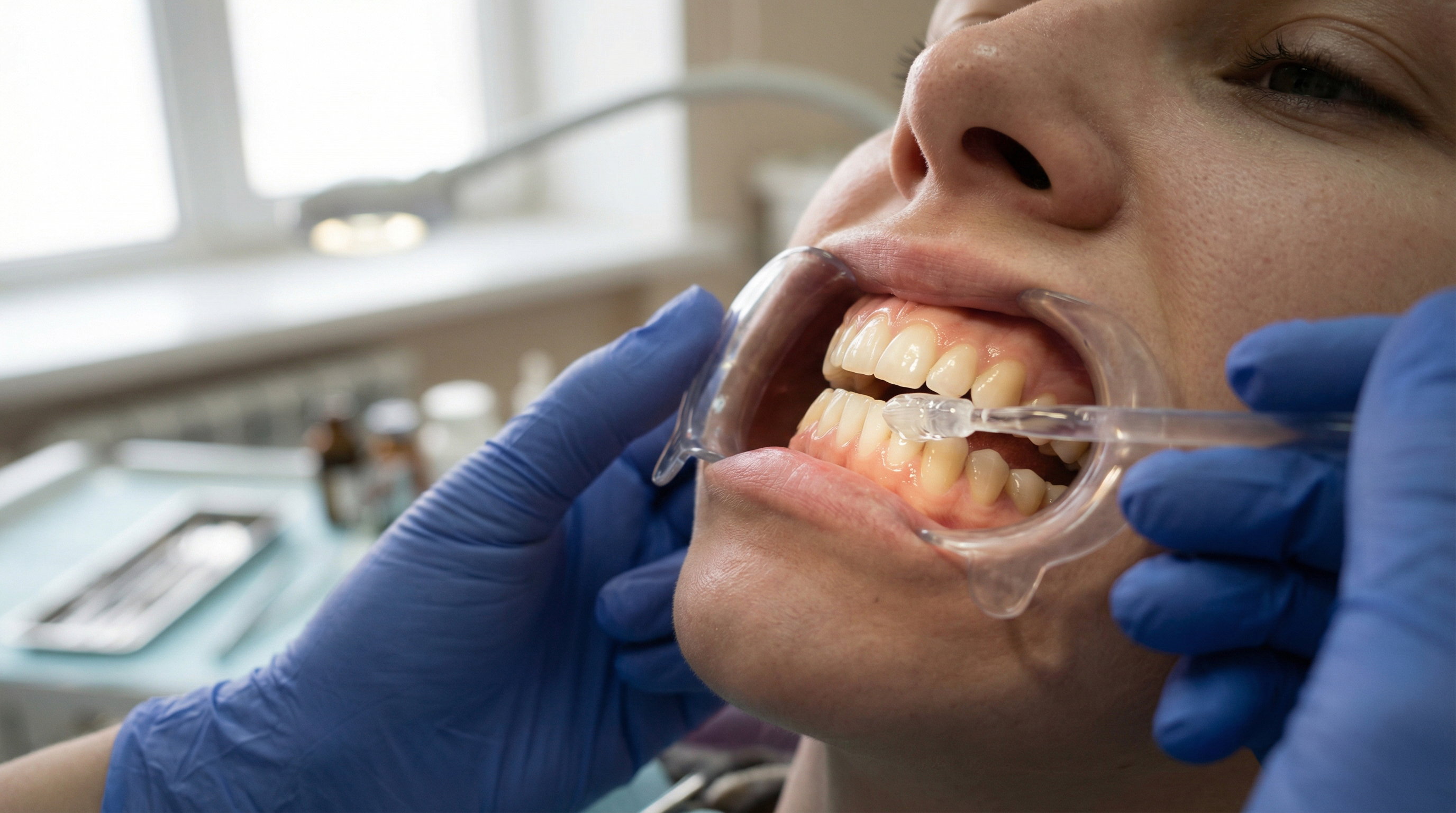
From a clinical and histological perspective, veneering crooked teeth is a compromise. While it offers immediate visual alignment, it often requires the sacrifice of enamel and the acceptance of inferior bonding substrates. The decision must be based on a risk-benefit analysis where the speed of the result is weighed against the structural and biological biological costs to the dentition.
