A Patient’s Question I Hear Often: Can You Get Veneers with Bad Teeth?
When patients sit in the dental chair and begin talking about improving their smile, one question appears surprisingly often: can you get veneers with bad teeth?
At The Gentle Care Hub, we often hear stories from readers who feel embarrassed about discoloration, chipped enamel, or uneven teeth. Many assume veneers are the quick solution to every cosmetic problem. However, when a dentist evaluates whether can you get veneers with bad teeth, the conversation usually becomes more nuanced.Let me explain the way I would during a real consultation.
What Patients Usually Mean When They Say “Bad Teeth”
Most patients use the phrase “bad teeth” to describe a wide range of concerns.Some people mean their teeth are stained or yellow. Others refer to chipped edges, crowding, or minor gaps.These types of cosmetic imperfections often respond well to veneers.However, in dental terminology, “bad teeth” sometimes refers to problems like cavities, weakened enamel, or gum disease. These conditions require treatment before cosmetic work begins.This difference between perception and diagnosis is important.
The First Thing Dentists Check Before Recommending Veneers
During a consultation, dentists typically perform a comprehensive examination.We look at the health of the gums, examine existing fillings, and check for signs of decay. X-rays may also help us understand the condition of tooth roots and bone levels.Why does this matter?
Because veneers are thin shells bonded to the front surface of the tooth. If the tooth underneath is unhealthy, placing a veneer would not solve the underlying problem.Instead, it could hide it temporarily while the condition worsens.
Situations Where Veneers May Still Be Possible
Many patients feel relieved when they learn that minor dental issues do not necessarily prevent veneer treatment.For instance, small cavities can often be repaired before veneers are placed. Mild misalignment might still allow veneers to improve the overall appearance of a smile.In other cases, whitening treatments or orthodontic adjustments may be recommended first.After these steps, veneers can enhance the final cosmetic result.
When Dentists Recommend Treating Health Problems First
If more serious problems are present, treatment must come first.For example, untreated gum disease can lead to gum recession. If veneers were placed without addressing this condition, the margins might eventually become visible.Similarly, extensive tooth damage may require crowns instead of veneers.In these cases, dentists focus on restoring oral health before considering cosmetic improvements.
What Veneers Actually Do
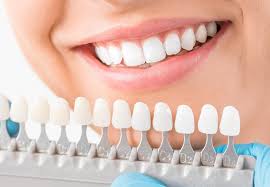
Many patients imagine veneers as a complete replacement for the tooth, but that is not accurate.Veneers are thin layers of porcelain or composite material designed to cover the front surface of teeth. They improve color, shape, and alignment visually.However, veneers rely on the existing tooth for support.Think of them like a protective cosmetic layer rather than a structural repair.
Managing Expectations Before Cosmetic Treatment
Another conversation I often have with patients involves expectations.Veneers can dramatically improve a smile, but they are not a cure for every dental condition.Healthy teeth and gums provide the foundation for any cosmetic procedure. Without that foundation, the results may not last as long as expected.For this reason, dentists frequently recommend preventive care alongside cosmetic treatment.
So, can you get veneers with bad teeth?The honest answer is that it depends on what “bad teeth” means. Cosmetic imperfections may be corrected with veneers, but active dental disease must always be treated first.By addressing health concerns and then exploring cosmetic options, patients can achieve both a healthy mouth and a confident smile.
