How Much Does a Gold Dental Crown Cost?
At The Gentle Care Hub, discussions about restorative dentistry often drift quickly toward cost, yet price is rarely examined as a clinical variable in itself. When patients ask how much does a gold dental crown cost, the answer is not simply a number—it is the result of metallurgical standards, laboratory workflows, longevity modeling, and biologic compatibility. Unlike cosmetic restorations whose value is largely perceptual, gold crowns occupy a unique category where economics and evidence-based dentistry intersect.Understanding cost requires analyzing why gold crowns are priced the way they are, what that cost reflects clinically, and how it compares to alternative restorative materials across time horizons rather than upfront fees alone.
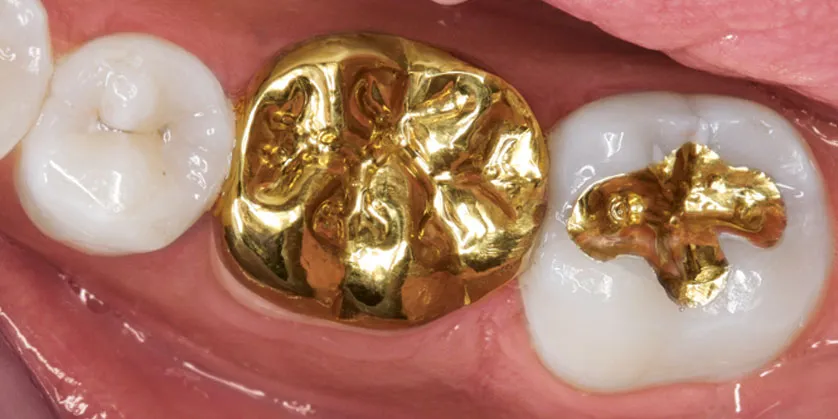
The Material Science Foundation Behind Gold Crown Pricing
The intrinsic cost of a gold dental crown begins with its alloy composition. Dental gold is never pure; it is engineered for intraoral durability.
Alloy Constituents and Their Economic Impact
Modern gold crowns are fabricated from high-noble or noble alloys, typically containing:
- Gold (Au)
- Platinum (Pt) or Palladium (Pd)
- Small amounts of copper or silver
These alloys are selected for corrosion resistance, marginal stability, and ductility. The market price of precious metals directly influences laboratory fees, which in turn drives patient-facing costs. Fluctuations in gold markets can alter crown pricing even within the same clinic over time.
Laboratory Economics: Precision Manufacturing Costs
Unlike mass-produced restorations, gold crowns are individually fabricated. This artisanal element significantly impacts cost structures.
Waxing, Casting, and Finishing
The traditional lost-wax technique requires:
- Manual waxing by a dental technician
- Controlled casting environments
- Extensive finishing and polishing
Each step introduces labor intensity. In contrast to CAD/CAM ceramics, gold crowns resist automation, preserving craftsmanship—but also cost.
Clinical Performance as a Cost Justifier
When analyzing how much is a gold crown worth, it is clinically misleading to isolate price from function.
Longevity Metrics in Restorative Dentistry
Long-term cohort studies frequently cite gold crowns lasting 20–40 years, with marginal integrity superior to porcelain-fused alternatives. When amortized over decades, gold crowns often present lower annualized costs than ceramic crowns requiring replacement every 10–15 years.
Biocompatibility and Failure Risk Reduction
Gold alloys demonstrate unmatched biocompatibility, reducing:
- Allergic reactions
- Galvanic sensitivity
- Gingival inflammation
From a risk management standpoint, fewer biological complications translate to fewer downstream expenses, an indirect but real economic advantage.
Procedural Complexity and Chair-Time Economics
Gold crown preparation often requires more conservative tooth reduction than ceramic alternatives. This preserves tooth structure, reducing the probability of future endodontic or fracture-related costs.Clinically, reduced chair time during adjustments also lowers practice overhead, though these savings are not always reflected in patient billing.
Geographic and Practice-Based Cost Variation
The answer to how much does a gold dental crown cost also depends on macroeconomic and regional factors:
- Local laboratory partnerships
- Urban vs rural cost structures
- Specialist vs general practitioner delivery
In many markets, gold crowns range from $900 to $2,500, though this reflects contextual economics rather than intrinsic value differences.
Comparative Cost Modeling Against Other Crowns
Gold crowns are often perceived as “expensive” when compared to porcelain or zirconia. However, cost modeling reveals a different narrative.
Replacement Probability Analysis
Ceramic crowns exhibit higher chipping and fracture rates under posterior occlusal loads. Each replacement compounds cost—not only financially, but biologically through additional tooth reduction.Gold crowns, by contrast, fail rarely and predictably.
Ethical Considerations in Cost Presentation
Clinicians bear responsibility when presenting cost options. Framing gold crowns as outdated or overpriced ignores contemporary evidence and may bias patient decision-making.At SmileNote, transparency means contextualizing price within function, lifespan, and biologic preservation—not aesthetics alone.
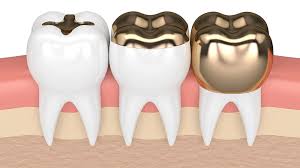
When patients ask how much does a gold dental crown cost, they are often asking a deeper question: Is it worth it? From a clinical analyst’s perspective, gold crowns represent one of the most cost-efficient restorations when evaluated over decades rather than invoices.
