Material Degradation and Durability: How Long Do Temporary Crowns Last?
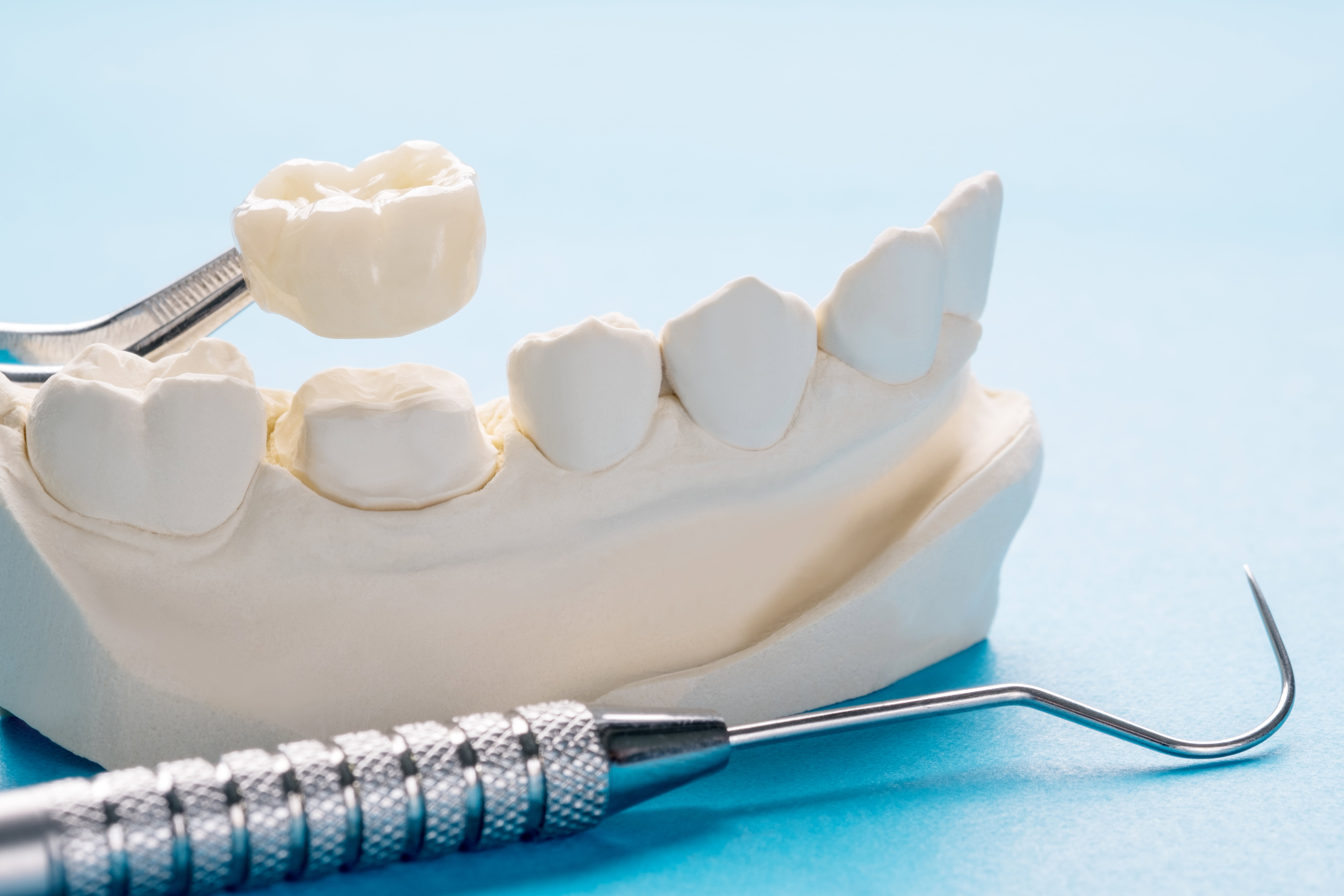
In the field of prosthodontics, specialists at The Gentle Care Hub emphasize that the question of how long do temporary crowns last is not merely a matter of patient convenience, but a complex variable involving polymer chemistry and marginal integrity. Provisional restorations, typically fabricated from polymethyl methacrylate (PMMA) or bis-acryl composite resins, are designed to function as an intermediate therapeutic agent. Their lifespan is governed by specific material properties including flexural strength, hydrolytic stability, and wear resistance. Unlike definitive zirconia or lithium disilicate restorations, provisional materials are engineered for finite service lives, generally calibrated to the duration of the laboratory fabrication process. Understanding the specific degradation pathways of these polymers is essential for determining their functional limits.
Polymerization and Hydrolytic Degradation
The lifespan of a provisional restoration is fundamentally limited by its chemical matrix. Bis-acryl resins, the current standard for chairside temporaries, undergo polymerization via a chemical or dual-cure mechanism. However, the conversion of monomers to polymers is rarely 100%.
Water Sorption Mechanics
When evaluating how long do temporary crowns last from a chemical perspective, one must consider water sorption. Over time, the resin matrix absorbs oral fluids. This hygroscopic expansion can lead to internal stress fractures and a degradation of physical properties. Clinical studies suggest that significant degradation in flexural strength occurs after approximately 30 to 60 days of intraoral exposure. As the polymer absorbs water, plasticization occurs, weakening the material and making it prone to catastrophic fracture under occlusal load. This degradation curve dictates that the "temporary" phase is biologically self-limiting.
Marginal Integrity and Cement Dissolution
A critical factor determining how long do temporary crowns last is the solubility of the luting agent. Temporary cements are deliberately formulated to have low tensile strength to facilitate retrievability.
Zinc Oxide Eugenol vs. Resin Cements
Commonly used cements, such as Zinc Oxide Eugenol (ZOE), exhibit high solubility in oral fluids. As saliva washes out the cement at the margins (the gap between the tooth and the crown), a pathway is created for bacterial micro-leakage. This washout phenomenon typically accelerates after two to three weeks. While the crown material itself might remain intact for months, the marginal seal—the biological barrier—often fails much sooner. From a microbiological standpoint, once the cement seal is compromised, the restoration has functionally failed, regardless of whether it is still mechanically retained on the tooth.
Occlusal Wear and Vertical Dimension Loss
The wear resistance of provisional materials is significantly lower than that of human enamel or ceramic. This differential wear rate is a primary constraint on how long do temporary crowns last.
Abrasion Mechanics
In patients with bruxism or heavy masticatory forces, PMMA and bis-acryl materials undergo rapid occlusal abrasion. If a temporary crown is retained beyond its intended 2-4 week window, the occlusal surface may wear down. This loss of material can lead to the supra-eruption of the opposing dentition, effectively changing the patient's bite. The "lifespan" of the temporary is therefore not just defined by when it breaks, but by when it ceases to hold the occlusal vertical dimension (OVD). Clinical data indicates that noticeable wear patterns can emerge within 6 to 8 weeks, potentially compromising the fit of the final restoration.
Finally, the longevity of a temporary is limited by the soft tissue response. Provisional materials are often more porous than definitive ceramics, leading to increased plaque accumulation.
Biological Response of the Periodontium
Gingival Inflammation Profiles
The surface roughness of temporary materials attracts bacterial biofilm. If the question how long do temporary crowns last implies "how long can they stay healthy," the answer is short. Prolonged retention often leads to gingival inflammation and hypertrophy due to the accumulation of plaque and the leaching of unpolymerized monomers. The biological width requires a biocompatible surface; provisional materials are generally cytotoxic to gingival fibroblasts over extended periods. Therefore, the "biological lifespan" of a temporary crown is often shorter than its "mechanical lifespan."
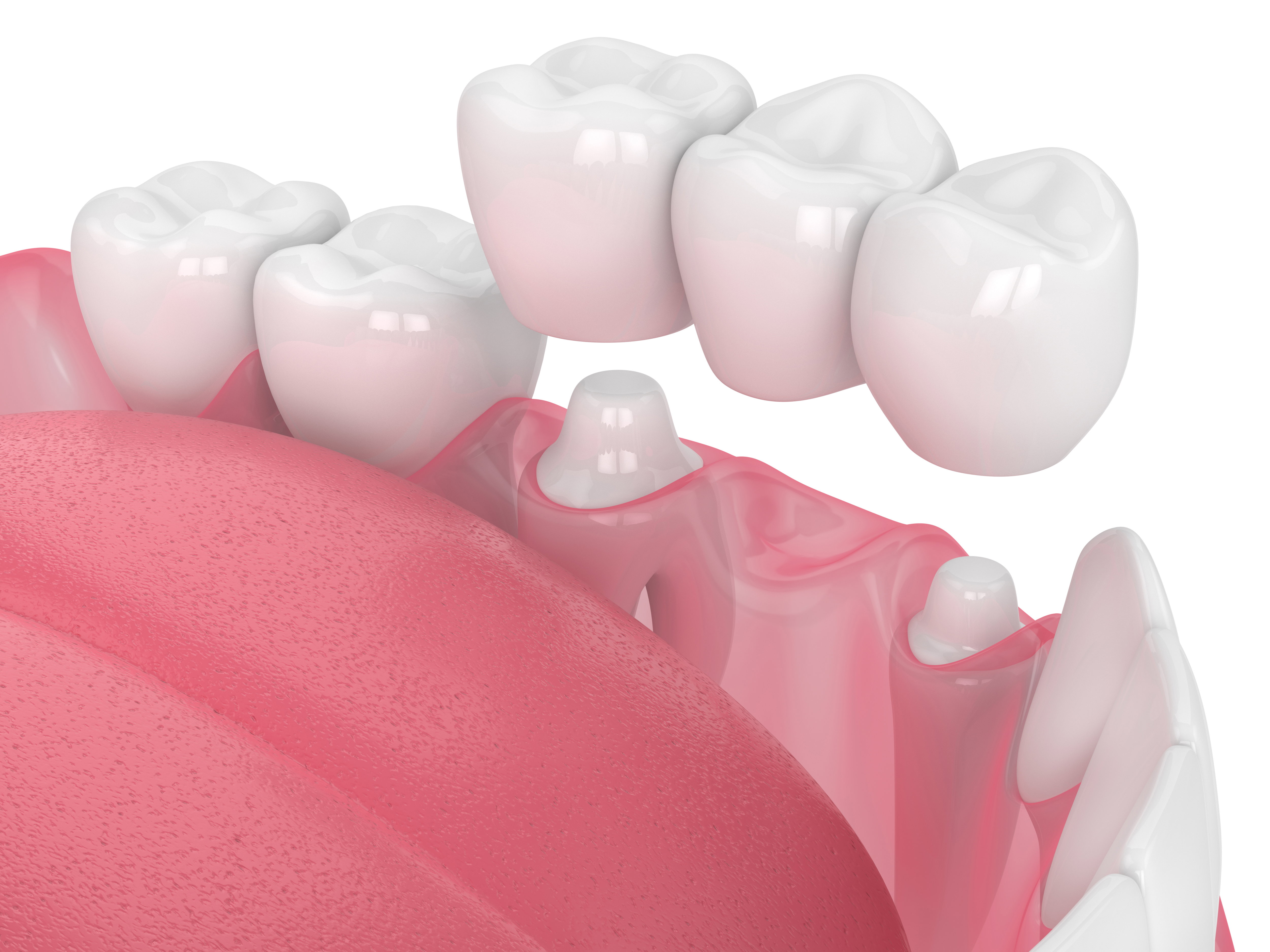
In summary, the question of how long can a temporary crown last is answered by the intersection of material science and biology. While the physical plastic may survive for several months, the chemical degradation of the cement, the wear of the occlusal surface, and the inflammatory response of the gingival tissues dictate a functional limit of approximately two to four weeks. Beyond this window, the restoration enters a phase of failure, characterized by leakage, drift, and tissue irritation.
