Biological and Functional Mechanisms Behind Missing Teeth Replacement in Modern Dentistry
Dental research frequently examines the structural and physiological consequences of tooth loss. On platforms such as The Gentle Care Hub, clinicians and researchers often discuss how missing teeth replacement influences oral biomechanics, tissue preservation, and long-term oral health stability. When a natural tooth is lost, the surrounding structures—including bone, periodontal ligaments, and adjacent teeth—undergo measurable biological changes.Understanding missing teeth replacement requires examining these mechanisms carefully. Rather than viewing tooth replacement purely as a cosmetic procedure, contemporary dentistry recognizes it as a functional intervention designed to maintain occlusion, support bone architecture, and restore the balance of the oral system.This analytical review explores the biological foundations, clinical reasoning, and structural implications behind modern missing teeth replacement approaches.
Structural Consequences of Tooth Loss
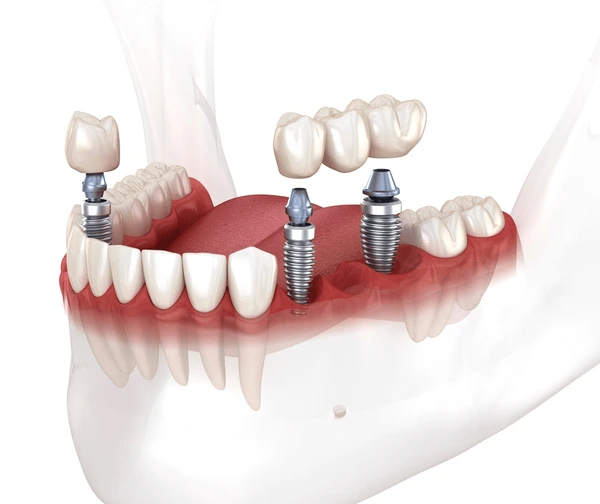
A single missing tooth may appear to represent only a localized change within the mouth. However, dental research consistently demonstrates that tooth loss can initiate structural adjustments throughout the oral cavity.When a tooth is removed or lost, the alveolar bone that once supported the root begins to remodel. The periodontal ligament no longer transmits mechanical forces to the bone, which reduces stimulation of the surrounding tissues. Over time, this lack of stimulation can lead to gradual bone resorption.At the same time, adjacent teeth may begin to drift into the empty space. This migration alters bite alignment and may affect the way upper and lower teeth interact during chewing.The concept of missing teeth replacement therefore emerges as a response to these biological changes. Replacing the missing structure helps restore mechanical forces that maintain bone integrity and stabilize surrounding teeth.
Functional Implications of Missing Teeth Replacement
Human dentition operates as an integrated mechanical system. Each tooth contributes to the distribution of biting forces across the jaw.When a tooth is absent, force distribution may become uneven. Some teeth absorb higher levels of pressure than originally intended, potentially accelerating wear or creating stress in the jaw joints.Clinically, missing teeth replacement aims to reestablish functional balance. By introducing a prosthetic structure—whether fixed or removable—the dental arch regains structural continuity.From a biomechanical perspective, restoring the dental arch can help maintain chewing efficiency and reduce excessive loading on neighboring teeth.
Biological Rationale for Missing Teeth Replacement
Modern dentistry approaches tooth replacement with a strong emphasis on biological preservation. Replacing a missing tooth does more than restore appearance; it helps sustain the biological environment of the oral cavity.Research in dental physiology suggests that bone tissue responds dynamically to mechanical stimulation. When chewing forces are transmitted through a tooth root or implant structure, surrounding bone cells receive signals that promote maintenance and remodeling.Without such stimulation, bone density may gradually decline. This is why many clinicians consider missing teeth replacement an important part of maintaining oral structural integrity.By restoring the mechanical pathway through which forces travel, replacement treatments can support the ongoing health of oral tissues.
Categories of Missing Teeth Replacement
Clinical dentistry generally classifies missing teeth replacement into several broad categories. Each category reflects different structural strategies for restoring the dental arch.Dental implants represent one widely studied approach. These artificial roots are placed within the jawbone and support prosthetic crowns. Because they transmit mechanical forces directly into bone, implants often mimic natural tooth function closely.Another category includes fixed dental bridges. In this approach, adjacent teeth provide support for an artificial tooth placed within the gap. The bridge structure redistributes chewing forces across multiple teeth.Removable prosthetic solutions also exist, particularly in cases involving multiple missing teeth. These appliances rest on the gums and are designed to restore basic chewing function.Each method represents a different engineering solution to the structural challenge created by tooth loss.
Occlusal Stability and Missing Teeth Replacement
Occlusion refers to the relationship between upper and lower teeth when the mouth closes. Maintaining stable occlusion is one of the central goals of restorative dentistry.The absence of even a single tooth can alter occlusal dynamics. Over time, opposing teeth may extrude toward the empty space, while neighboring teeth may tilt.When clinicians plan missing teeth replacement, they evaluate the patient’s bite patterns carefully. Restoring the lost tooth often prevents progressive misalignment and helps preserve the existing dental arrangement.Occlusal stability also plays a role in preventing excessive stress on the temporomandibular joints, which coordinate jaw movement during chewing and speaking.
Long-Term Oral Health Considerations
Dental treatment planning frequently involves projecting long-term outcomes rather than addressing only immediate concerns. From this perspective, missing teeth replacement is evaluated not solely as a restorative procedure but also as a preventive strategy.Replacing missing teeth may help preserve chewing efficiency, maintain facial support structures, and reduce the likelihood of progressive dental misalignment. These factors contribute to overall oral function over many years.Professional organizations such as the American Dental Association (ADA) and the National Health Service (NHS) frequently emphasize the importance of individualized assessment. Not every case requires the same treatment approach, and decisions should always be guided by professional evaluation.The goal of missing teeth replacement is therefore not simply reconstruction, but long-term preservation of oral health.
Limitations and Variability in Clinical Outcomes
While tooth replacement procedures are widely practiced, clinical outcomes can vary significantly depending on patient-specific factors.Bone density, oral hygiene practices, systemic health conditions, and bite alignment may all influence the success of restorative treatments. Additionally, lifestyle factors such as smoking or chronic illness can affect healing and long-term stability.Because of these variables, the planning process for missing teeth replacement often includes comprehensive diagnostic imaging, bite analysis, and discussion with dental professionals.Careful assessment ensures that treatment decisions align with the patient’s biological and functional needs.
Evolving Technologies in Missing Teeth Replacement
Dental technology continues to evolve, expanding the range of tools available for tooth restoration.Digital imaging systems allow clinicians to evaluate bone structure with high precision. Computer-aided design and manufacturing (CAD/CAM) technology enables the creation of prosthetic crowns and bridges with remarkable accuracy.These advancements influence how missing teeth replacement is planned and executed. Digital tools allow practitioners to simulate treatment outcomes and design restorations that integrate smoothly with existing dental structures.Technological innovation therefore plays a growing role in shaping modern restorative dentistry.
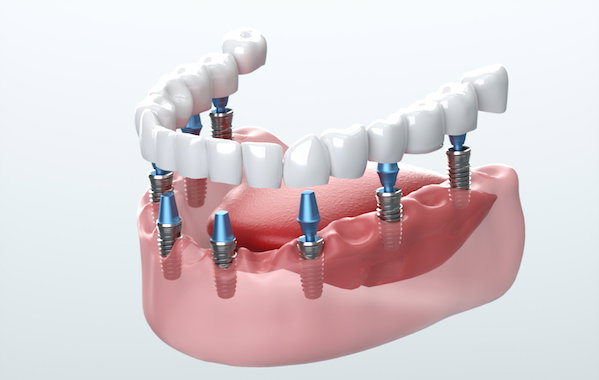
The concept of missing teeth replacement extends beyond cosmetic restoration. From a clinical perspective, replacing lost teeth helps maintain the structural balance of the oral system, supports bone health, and preserves functional occlusion.Scientific research continues to highlight the interconnected nature of dental structures, emphasizing how the absence of a single tooth can influence the entire oral environment. Through carefully planned restorative treatments, clinicians aim to restore both function and structural stability.However, treatment decisions should always be individualized. Consultation with qualified dental professionals remains essential for determining the most appropriate approach for each patient.
