Engineering Mechanics: A Breakdown of the Structural Benefits of Dental Implants
From a mechanical engineering standpoint, the rehabilitation of the stomatognathic system requires a device capable of withstanding significant cyclic loading in a corrosive, aqueous environment. The dental implant is not merely a replacement tooth; it is a precision-engineered anchor designed to resist torque, shear, and compressive forces. The benefits of dental implants are derived from their material properties—specifically the modulus of elasticity of titanium alloys—and their macroscopic design features which optimize load distribution. This technical analysis by The Gentle Care Hub explores why the screw-retained mechanism is the superior engineering solution for edentulism.
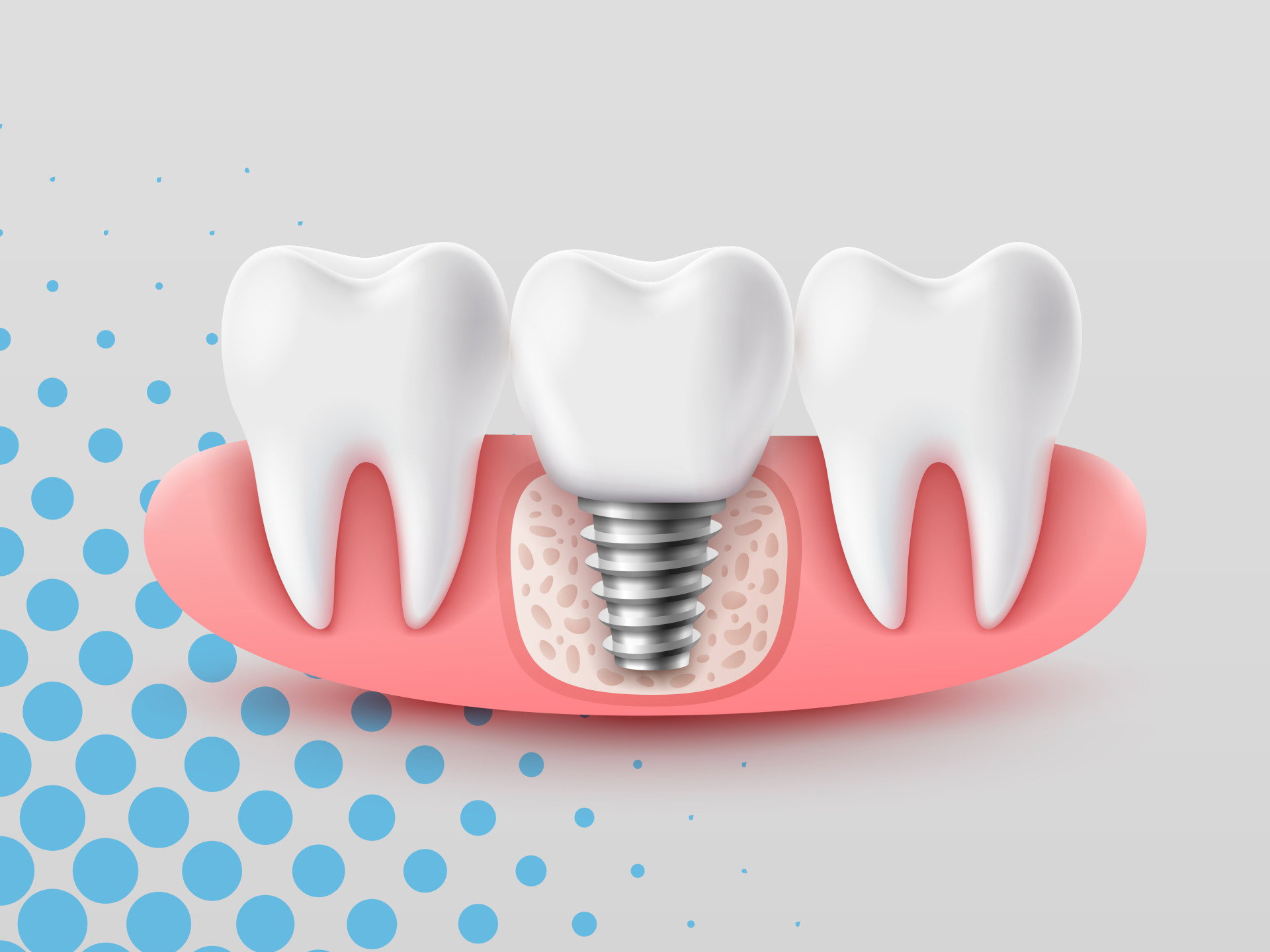
Titanium Alloy and Surface Thermodynamics
The core material used in modern implants is typically Grade 4 Commercially Pure Titanium or a Titanium-Zirconium alloy.
Biocompatibility and Oxide Layers
Titanium is unique because it spontaneously forms a stable oxide layer ($TiO_2$) upon exposure to oxygen. This passive layer prevents corrosion and facilitates the biochemical bond with bone. One of the material benefits of dental implants is this high strength-to-weight ratio and resistance to fatigue failure. Unlike natural teeth which can suffer from vertical root fractures or caries, the titanium substructure is impervious to biological decay and highly resistant to fracture under normal physiological loads. This creates a predictable, non-degrading foundation for the prosthetic superstructure.
Screw Mechanics and Preload
The connection between the implant body (in the bone) and the abutment (supporting the crown) is a marvel of micro-engineering.
The Torque Advantage
The system utilizes a retaining screw tightened to a specific torque value (typically 30-35 Ncm). This tightening creates "preload"—a tension in the screw that elongates it slightly, clamping the abutment to the implant. This mechanical lock is one of the structural benefits of dental implants. It creates a hermetic seal that prevents micro-gap formation. In contrast to cemented restorations where retention relies on friction and chemical luting agents which can degrade (washout), the screw-retained implant offers a reversible yet rigid mechanical connection. If the ceramic chips, the screw can be retrieved, and the crown repaired without destroying the substructure.
Load Distribution via Thread Geometry
The macroscopic design of the implant threads determines how force is dissipated into the bone.
Maximizing Surface Area
Modern implants utilize aggressive thread pitches and micro-threads at the neck. This geometry converts dangerous shear forces (which tear bone) into compressive forces (which stimulate bone). This is a critical engineering distinction. One of the biomechanical benefits of dental implants is this ability to manipulate force vectors. By increasing the functional surface area through thread design and surface roughening (sandblasting/acid-etching), the implant decreases the pressure (Force/Area) applied to the bone interface. This prevents the pressure necrosis often seen under the saddle areas of removable dentures.
Immediate Load Protocols
Advances in primary stability allow for accelerated treatment times.
High Insertion Torque
Because the implant acts as a self-tapping screw, it can achieve high insertion torque (>35 Ncm) immediately upon placement. This "primary stability" is purely mechanical friction. It allows for the immediate placement of a temporary tooth in specific protocols (All-on-4 or immediate anteriors). The technical benefits of dental implants now include the possibility of "Same Day Teeth," where the engineering rigidity of the splinted arch supports the load while biological healing occurs in the background. This is mechanically impossible with soft-tissue supported appliances.
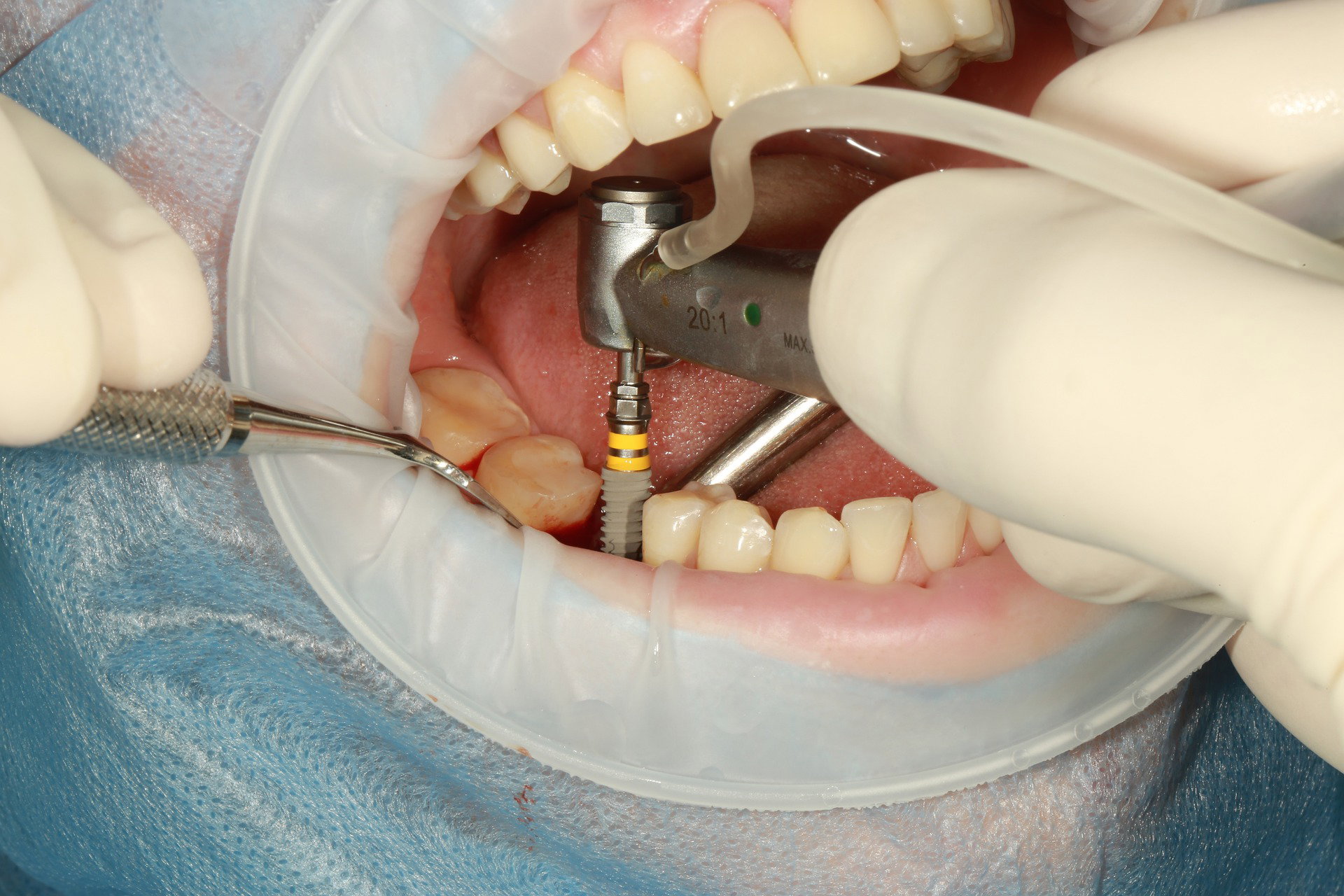
The engineering superiority of the implant lies in its ability to mimic the anchorage of a natural root while exceeding the durability of natural biological materials. The the benefits of dental implants are rooted in physics: superior load transfer, fatigue-resistant materials, and the precision mechanics of the internal connection. For a system that must endure millions of chewing cycles, the implant is the only solution that meets the rigorous demands of the oral environment.
