Turmeric and Tooth Enamel: Good or Bad?
Welcome to the clinical archives of The Gentle Care Hub. In the discipline of cariology and dental aesthetics, the introduction of exogenous agents into the oral cavity requires a rigorous analysis of their chemical properties and their interaction with the hydroxyapatite crystal lattice. The popular query, "Is turmeric good or bad for your teeth?", cannot be answered with a binary affirmative or negative. Instead, it necessitates a deconstruction of the molecular behavior of curcuminoids, their abrasive potential (RDA), and their pharmacodynamic effects on gingival tissues versus dental hard tissues. This analysis aims to separate the anti-inflammatory therapeutic potential from the cosmetic claims of turmeric teeth whitening, evaluating the substrate interactions at a microscopic level.
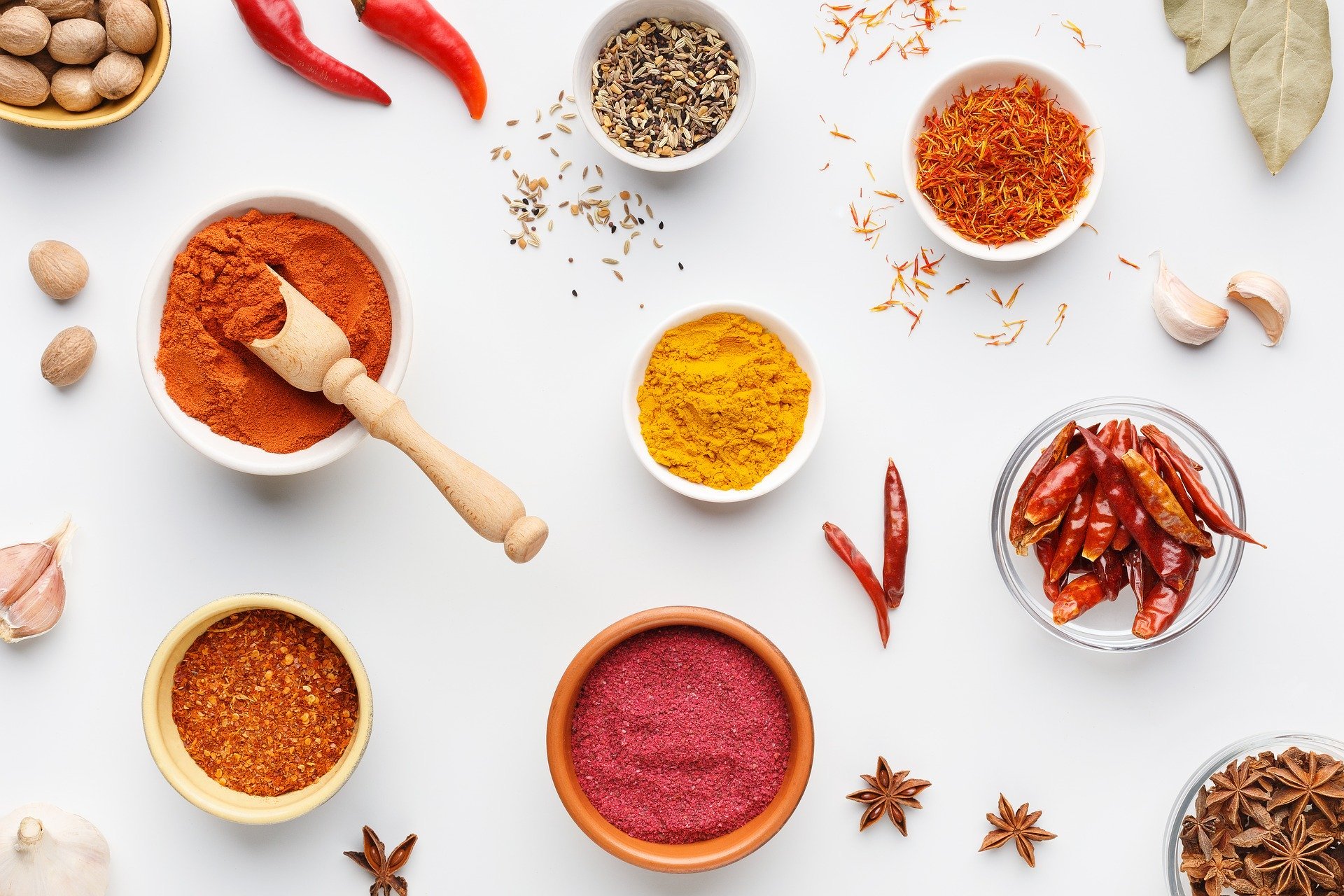
The Chemistry of Curcumin and Chromatic Adhesion
To understand the risk profile, one must first analyze the staining agent itself. Turmeric (Curcuma longa) owes its intense yellow pigment to curcumin, a polyphenol with high chromatic saturation.
Binding Affinity to Pellicle and Plaque
The dental surface is coated by the acquired pellicle, a biofilm of salivary glycoproteins. Curcumin is lipophilic and binds tenaciously to organic biofilms. In the context of turmeric teeth whitening, the mechanism is often misunderstood. Unlike peroxide-based agents which utilize oxidative free radicals to break down intrinsic carbon-double bonds within the dentin, curcumin acts largely as an abrasive. However, its high substantivity (stickiness) presents a paradox. While the abrasive particles may remove extrinsic stains, the pigment itself possesses a high affinity for microscopic defects in enamel and restorative materials. Clinical analysis suggests that on porous surfaces—such as demineralized enamel or composite resins—turmeric acts as a potent staining agent rather than a whitening one.
The Abrasive Index and Enamel Surface Roughness (Ra)
The efficacy of any mechanical whitening agent is governed by its Relative Dentin Abrasivity (RDA).
Mechanical Debridement vs. Erosion
When patients utilize raw turmeric powder or homemade pastes for turmeric teeth whitening, they are essentially performing micro-abrasion. If the particle size of the turmeric powder is significant, it functions to scour the enamel surface. From a clinical analyst's perspective, this removes the pellicle and superficial extrinsic stains (coffee, tobacco). However, if the frequency of application is uncontrolled, this mechanical action increases the Surface Roughness ($Ra$). An increase in $Ra$ creates a larger surface area for future bacterial adhesion and pigment retention. Therefore, while the immediate result may appear brighter due to the removal of surface debris, the histological consequence may be a tooth surface that is more susceptible to staining in the long term.
Anti-Inflammatory Properties: The Periodontal Benefit
While the "whitening" claims are scientifically contentious, the question "is turmeric good or bad for your teeth?" yields a more favorable answer when applied to soft tissue.
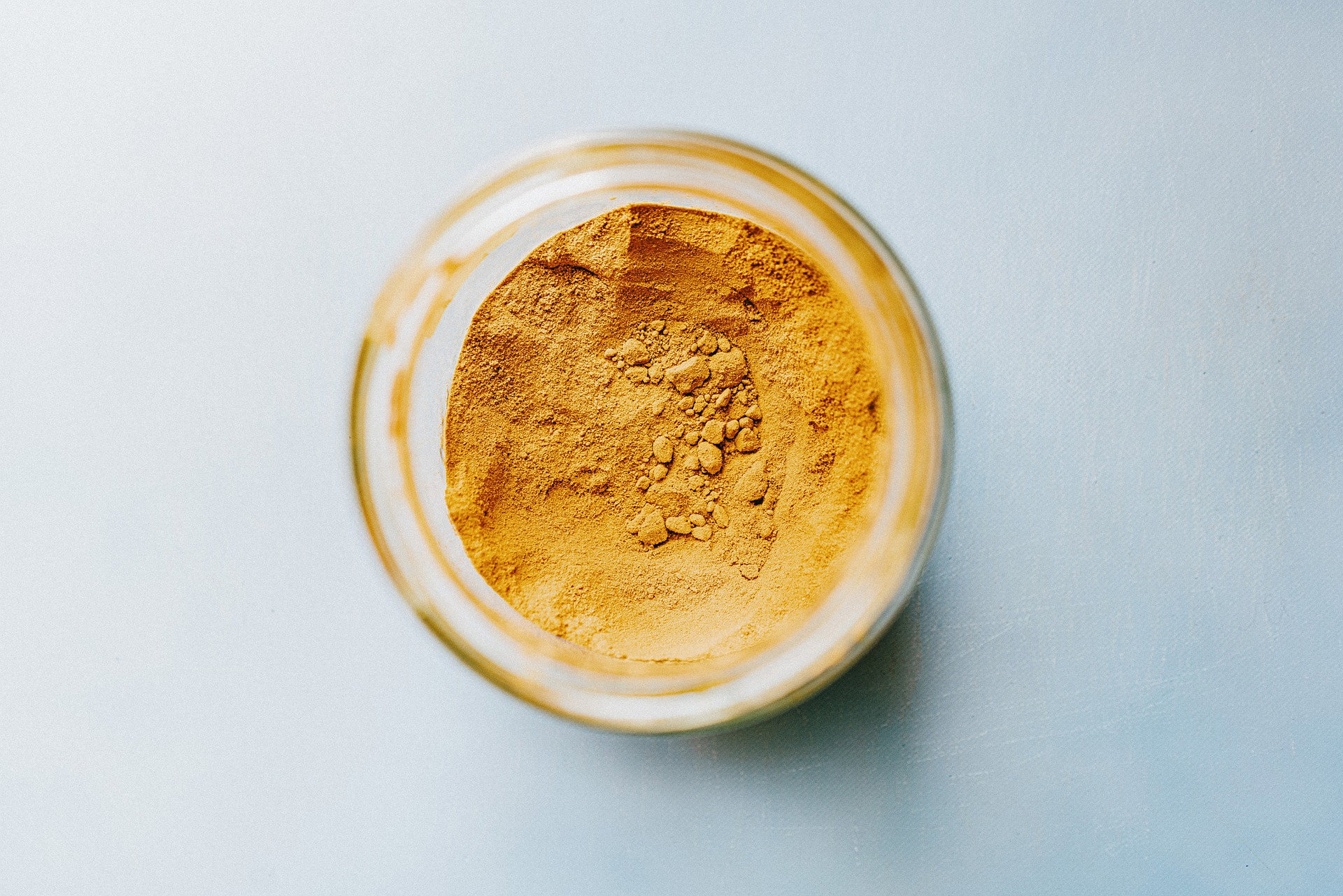
Cytokine Modulation
Curcumin has documented anti-inflammatory properties, specifically the inhibition of the NF-κB pathway which regulates pro-inflammatory cytokines like IL-1 and TNF-α. In patients with gingivitis, the application of a turmeric-based paste may reduce gingival indices (bleeding and swelling). However, this therapeutic benefit must be weighed against the risk of calculus staining. When patients ask, "can I use turmeric for teeth whitening?", the clinical data suggests that while turmeric may be "good" for the gingival vasculature, its benefits do not extend to the remineralization or intrinsic whitening of the dental hard tissues.
From a strictly chemical and physical standpoint, turmeric functions as a double-edged sword. It is a mild abrasive that can remove extrinsic stain but carries a high risk of residual pigmentation on restorative materials and porous enamel. Its primary value lies in soft tissue therapy rather than esthetic improvement.
