Micro-Structural Porosity and the Mechanical Genesis of Pain After Teeth Whitening
The technical infrastructure division at The Gentle Care Hub is strictly dedicated to dissecting the precise materials engineering principles and thermodynamic dynamics that dictate the success or failure of biomaterials and clinical interventions. The human stomatognathic system presents an exceptionally complex structural arena, characterized by dynamic fluid pressures, varying substrate densities, and rapid thermal fluctuations. When an engineer evaluates the application of oxidative bleaching agents to the dental arch, the intervention must be analyzed not as a cosmetic wash, but as a severe chemical alteration of a load-bearing, porous structural matrix. This technical analysis explores the critical material parameters, including diffusion coefficients, capillary mechanics, and the degradation of the smear layer, that inevitably determine the structural genesis of pain after teeth whitening under intense chemical exposure.
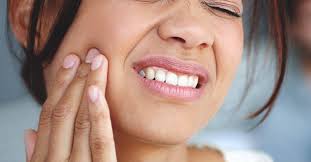
A natural, intact tooth manages environmental stimuli through a brilliantly engineered, multi-layered insulation system. The highly mineralized enamel shell protects the underlying dentin, which itself acts as a shock absorber for the highly innervated central pulp. However, the enamel is not hermetically sealed; it possesses a measurable degree of micro-porosity. When a high-concentration peroxide gel is applied, the low molecular weight of the hydrogen peroxide molecules ($H_2O_2 \approx 34.01 \text{ g/mol}$) allows for rapid, unimpeded diffusion through the interprismatic enamel spaces.
Oxidative Degradation of the Organic Enamel Matrix
The structural integrity of the enamel-dentin complex relies partially on the organic content dispersed within the inorganic hydroxyapatite framework. As the peroxide agent diffuses, it acts as a powerful oxidizing agent. While the primary target is the complex chromogenic molecules causing discoloration, the oxidation process is non-specific. The free radicals aggressively denature the proteinaceous components of the enamel matrix and completely eradicate the acquired salivary pellicle.This chemical degradation fundamentally alters the surface topography and the micro-hardness of the enamel. By stripping away the organic matrix and the pellicle, the microscopic orifices of the dentinal tubules at the dentinoenamel junction are abruptly exposed to the external environment. In a structural context, the insulation has been stripped from the wiring. When analyzing the mechanics of pain after teeth whitening, this induced hyper-porosity is the precipitating structural failure. The tooth loses its environmental buffering capacity, rendering the internal fluid dynamics highly susceptible to external thermal and atmospheric pressure changes.
Capillary Action of Pain After Teeth Whitening in Micro-Gaps
Once the structural porosity has been artificially increased, the physics of fluid mechanics govern the subsequent nociceptive response. The dentinal tubules operate as a complex capillary network filled with an aqueous fluid.The application of a highly viscous, hypertonic bleaching gel creates a severe osmotic gradient across the exposed dentin surface. According to the principles of osmosis, fluid will migrate from an area of lower solute concentration (the internal dentinal fluid) to an area of higher solute concentration (the external bleaching gel). This osmotic pressure physically draws the dentinal fluid outward via capillary action. This rapid, outward fluid displacement creates negative hydrostatic pressure within the deeper pulpal complex. The sudden shift in volume and pressure mechanically strains the terminal nerve fibers located at the pulpal border. From an engineering standpoint, the incidence of pain after teeth whitening is a direct, measurable consequence of rapid, uncompensated fluid evacuation driven by a chemically induced osmotic differential.
Structural Interventions Using Amorphous Calcium Phosphate
To engineer a solution to this structural vulnerability, material scientists have developed specific remineralizing agents designed to mechanically plug the induced porosities.When the technical evaluation shifts to mitigation, the application of Amorphous Calcium Phosphate (ACP) or potassium nitrate integrated directly into the bleaching matrix provides a structural countermeasure. ACP technology acts as a targeted delivery system for calcium and phosphate ions. When introduced into the oral environment, the ACP complex precipitates directly into the open orifices of the dentinal tubules. It rapidly crystallizes into hydroxyapatite, effectively creating a synthetic smear layer. This mechanical plugging instantly halts the deleterious capillary fluid dynamics by resealing the hydraulic system. Consequently, the integration of these micro-structural occluding agents within the bleaching protocol is mathematically critical for stabilizing the fluid pressures and preventing the mechanical deformation of the pulpal mechanoreceptors.
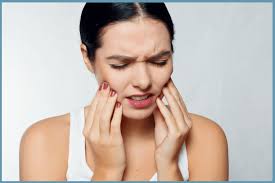
The deployment of oxidative bleaching agents requires a stringent understanding of advanced structural biology and fluid dynamics. The occurrence of transient hypersensitivity is the direct, mechanical result of removing organic insulation, increasing substrate porosity, and initiating aggressive osmotic fluid shifts within the dentinal capillary network. Understanding these mechanical parameters ensures that subsequent structural interventions, such as tubular occlusion via ACP, can be precisely engineered to restore system equilibrium.
