The 20-Year Prognosis: Risk Stratification and Long-Term Outcomes of Retainers After Braces
This is The Gentle Care Hub. In the strategic management of orthodontic outcomes, retention is not a static phase but a dynamic management of risk over the patient's lifetime. As a senior consultant evaluating relapse cases and secondary treatment needs, I view the protocol for retainers after braces through the lens of prognosis. We must move beyond the binary concept of "retention" versus "relapse" and adopt a risk-stratification model. This involves analyzing the pre-treatment malocclusion, the patient's age-related growth potential, and the compliance profile to predict long-term stability and prescribe the appropriate retention hierarchy.
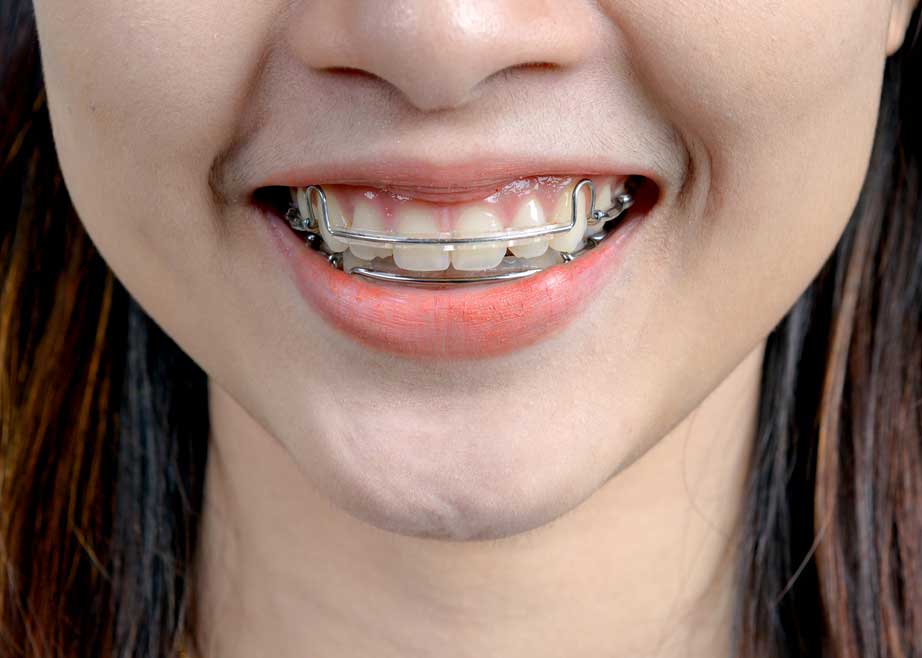
Stratifying Relapse Risk by Initial Malocclusion
Not all teeth are equally prone to relapse. The pre-treatment diagnosis is the strongest predictor of future instability.
The High-Risk Categories
- Rotations: Teeth that were severely rotated before treatment have a high prognosis for relapse due to the memory of the supracrestal fibers. For these cases, I strongly advise a dual-retention protocol: a fixed bonded retainer plus a removable overlay. Relying solely on a removable device often leads to failure due to the high rotational moment.
- Diastemas (Gaps): Midline spacing has a notorious tendency to reopen. The frenum attachment and transeptal fibers pull the teeth apart. Permanent fixed retention is the gold standard prognosis here.
- Open Bites: An anterior open bite closure relies on the intrusion of molars or extrusion of incisors. The relapse risk is skeletal and muscular (tongue thrust). Standard retainers after braces are often insufficient; successful prognosis often requires myofunctional therapy and a retainer design with a tongue crib to prevent the muscle habit from reversing the result.
The Age Factor: Late Mandibular Growth
A critical prognostic factor often overlooked is the patient's skeletal maturity.
The "Late Crowding" Phenomenon
In late adolescence and early adulthood (ages 18-25), many patients experience a final burst of mandibular growth. If the mandible grows forward while the maxilla is locked, the lower incisors get trapped and buckle inward (crowding). This is often mistakenly blamed on wisdom teeth. However, literature suggests it is differential skeletal growth. Therefore, the prescription of retainers after braces for a 16-year-old male must be far more rigorous than for a 40-year-old female. The 16-year-old is entering a high-risk growth phase. Prognostically, retention must be strictly maintained until all growth ceases to prevent skeletal relapse.
Compliance Profiling and Device Selection
We must match the device to the patient's psychological profile.
The Realistic Assessment
- Type A / High Compliance: These patients will wear a removable retainer religiously. They benefit from the hygiene access of removable devices. Prognosis: Excellent.
- Type B / Variable Compliance: These patients will likely lose or forget a removable device. For this demographic, a fixed bonded retainer is not a luxury; it is a necessity for a favorable prognosis. While fixed retainers after braces carry periodontal risks (calculus buildup), the risk of relapse in a non-compliant patient outweighs the hygiene risk.
- Type C / Poor Compliance: If a patient has poor hygiene and poor compliance potential, the prognosis is guarded. In these cases, we often accept a "compromised stability," advising that minor shifting is inevitable.
The Economics of Long-Term Retention
Patients often view retention as a one-time cost. This is a fallacy.
Asset Management
I advise patients to view their occlusion as a depreciating asset that requires maintenance capital. VFRs wear out every 1-2 years. Bonded wires fatigue and detach. The long-term prognosis depends on the patient's willingness to invest in replacement retainers after braces periodically. A proactive replacement schedule (e.g., new VFRs every 2 years) has a significantly better stability prognosis than waiting for the device to break or be lost. We must shift the narrative from "one set for life" to "lifetime maintenance."
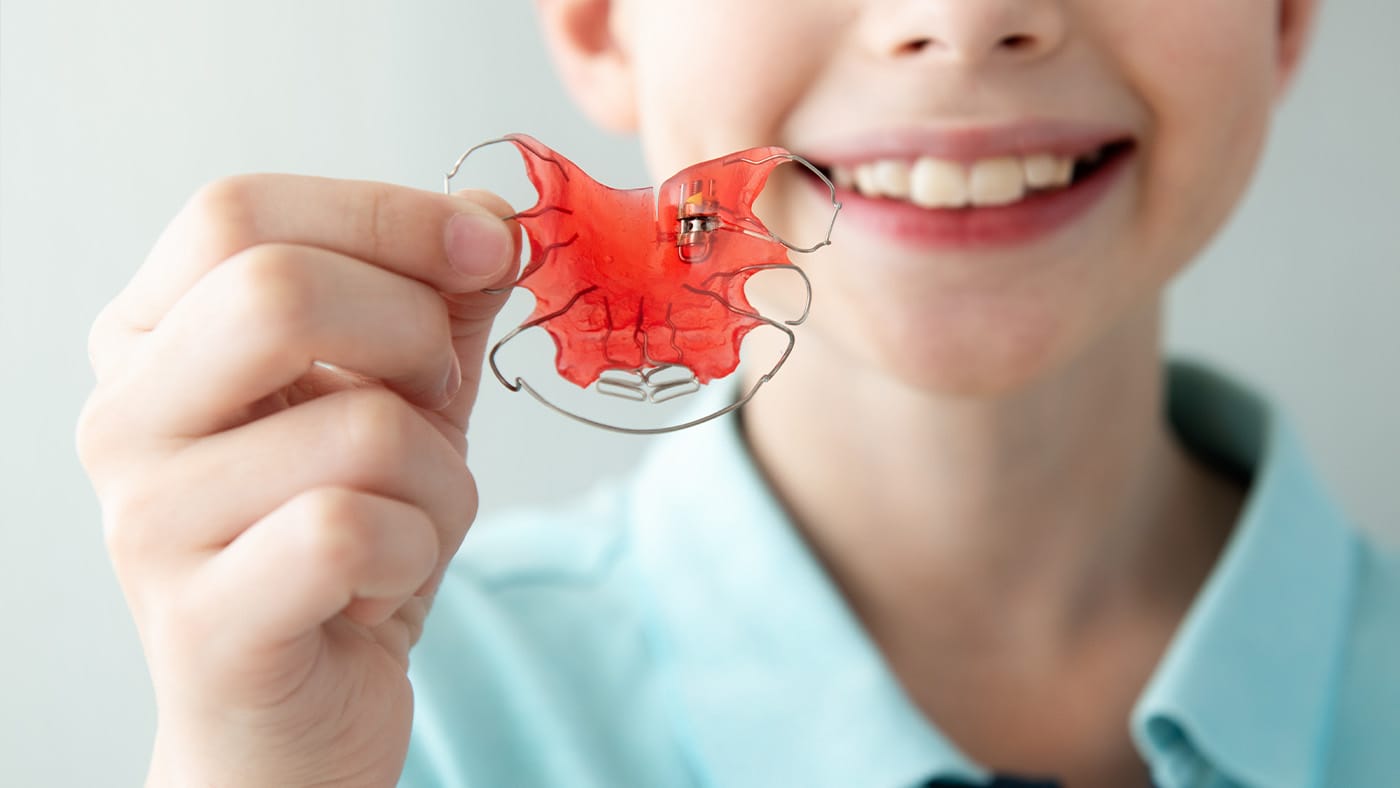
The long-term stability of orthodontic treatment is probabilistic, not guaranteed. By stratifying risk based on initial anatomy, growth potential, and patient psychology, we can tailor the retention protocol. Ultimately, understanding what is a retainer after braces reveals that its strategic application turns a potential relapse statistic into a lifelong success story.
