Technical Considerations: Bonding and Debonding Mechanics of Ceramic Braces
Introduction to Adhesive Orthodontics
From a restorative and materials standpoint, Ceramic Braces present a unique set of challenges compared to traditional stainless steel. While the aesthetic advantages are clear, the clinical team at The Gentle Care Hub emphasizes that one must navigate a complex landscape of bonding protocols and, more importantly, debonding risks. The material properties of alumina and sapphire dictate that Ceramic Braces cannot simply be treated as "clear metal." They require a strict adherence to technique sensitivity to ensure retention during treatment while preventing iatrogenic damage to the enamel structure upon removal.
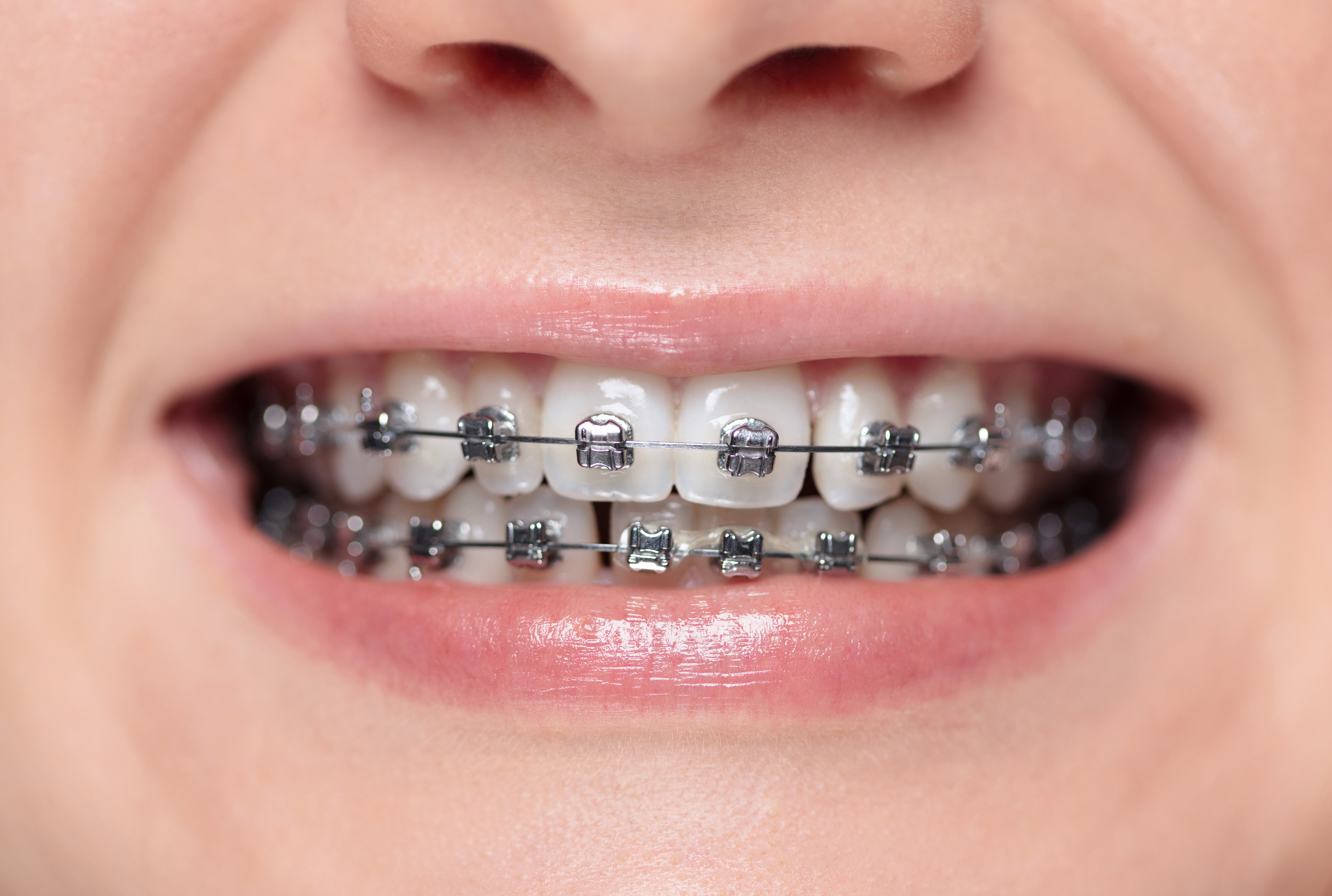
The Bonding Interface: Mechanical vs. Chemical Retention
The mechanism by which Ceramic Braces adhere to the tooth is fundamentally different from metal. Metal brackets typically utilize a mesh base that allows the resin adhesive to lock in mechanically.
Silane Coupling and Chemical Bonds
Early generations of Ceramic Braces relied heavily on chemical bonding using silane coupling agents. This created a bond strength that was chemically fused to the enamel. While this virtually eliminated bracket failure during treatment, it created a bond strength that often exceeded the cohesive strength of the enamel itself. Modern ceramic brackets utilize a hybrid approach, combining mechanical retention (via dovetails or micro-undercuts in the bracket base) with predictable adhesive resins. This evolution aims to provide sufficient strength to withstand orthodontic forces while allowing for a safe failure point during debonding.
The most critical phase in the lifecycle of Ceramic Braces is their removal. This is the primary concern for any restorative specialist.
The Risks of Debonding: Enamel Fracture
Brittle Fracture Mechanics
Metal brackets are ductile; when we squeeze them with pliers, the base deforms, peeling away from the tooth. Ceramic Braces are rigid and brittle. They do not deform. If a clinician attempts to peel them off like metal, the bracket may shatter, leaving shards of porcelain adhered to the tooth, or worse, the stress may transfer directly to the enamel prisms. In rare but documented cases, this can lead to enamel avulsion (ripping chunks of enamel off) or vertical fractures in the tooth surface. To mitigate this, manufacturers have introduced stress concentrators—grooves in the center of the bracket that allow it to collapse inward safely when squeezed, protecting the underlying tooth structure.
Friction and Sliding Mechanics
The material hardness of Ceramic Braces introduces tribological challenges. The interface between a metal wire and a ceramic slot creates higher friction than metal-on-metal.
Impact on Anchorage and Movement
This resistance to sliding (binding) can slow down space closure and leveling. As a materials specialist, I often see cases where the high friction of Ceramic Braces taxes the anchorage units (the back teeth), causing them to move forward rather than the front teeth moving back. To solve this, some high-end ceramic brackets incorporate a metal slot liner. This "metal tunnel" within the ceramic body allows for low-friction mechanics similar to traditional braces while maintaining the aesthetic outer shell. This hybrid design is crucial for complex mechanics where sliding efficiency is paramount.
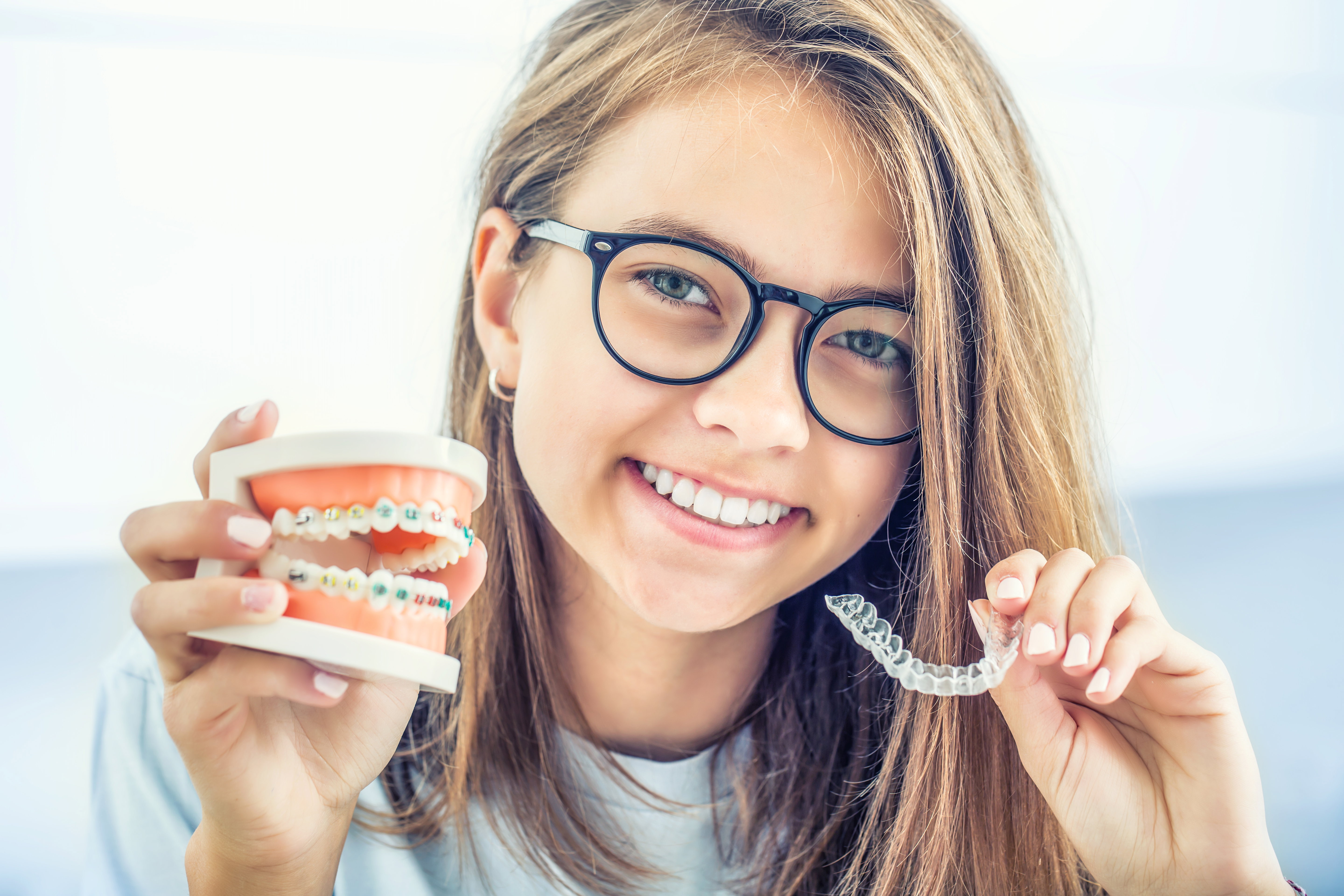
Bracket Hardness and Opposing Dentition
Another material trade-off is hardness. Polycrystalline alumina is significantly harder than human enamel (Mohs hardness scale).
Iatrogenic Wear
If a patient has a deep bite where the upper teeth occlude against the lower brackets, Ceramic Braces can act like a grinding stone. Over the course of an 18-month treatment, the lower brackets can wear away the incisal edges of the upper teeth, leading to irreversible loss of tooth structure. This dictates strict material selection rules: we often avoid placing Ceramic Braces on lower teeth in deep-bite cases, or we must build up the bite with temporary cement (bite turbos) to disclude the teeth and prevent this destructive contact.
The use of esthetic braces, particularly ceramic-based systems, demands a comprehensive understanding of material science and biomechanics. Achieving the ideal balance between bond strength, friction control, and safe debonding is critical.By selecting brackets with stress concentrators, utilizing metal-lined slots, and managing occlusal relationships carefully, clinicians can harness the aesthetic advantages of ceramic esthetic braces without compromising enamel integrity or long-term dental health.
