Post-Treatment Apical Periodontitis: A Review of Prevalence and Etiology of the Bump on Gum After Root Canal
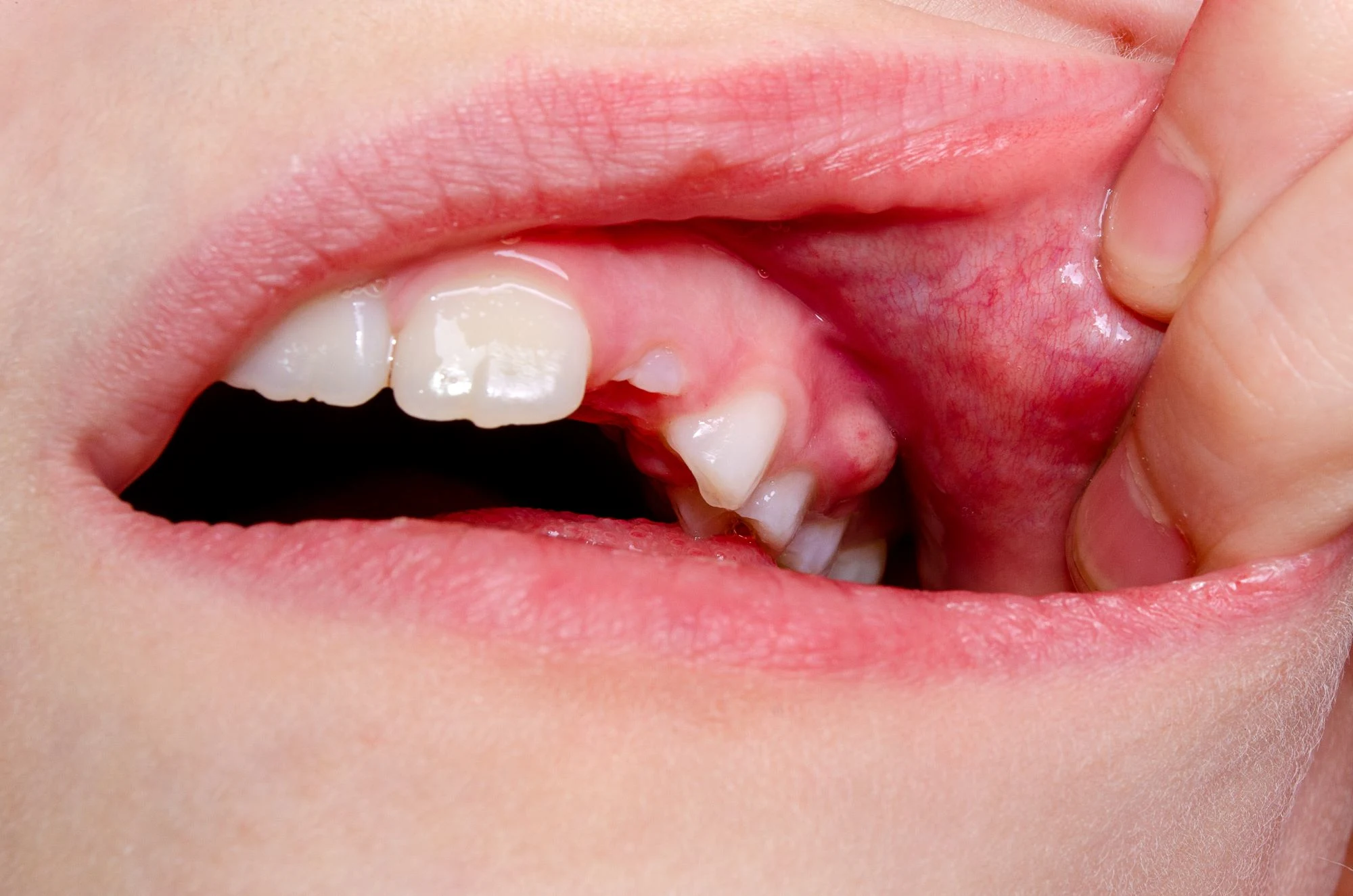
The presence of a sinus tract, commonly described by patients as a bump on gum after root canal, serves as a key clinical marker in endodontic outcome studies. This phenotypic expression of chronic apical abscess is widely documented in dental literature as a primary indicator of post-treatment apical periodontitis. A systematic review of the literature is essential to contextualize the prevalence, success rates of intervention, and the comparative efficacy of surgical versus non-surgical modalities in managing this specific presentation. This article by The Gentle Care Hub synthesizes findings from major endodontic journals to provide an evidence-based perspective on the failing root canal.
Prevalence Statistics in Cross-Sectional Studies
How common is this pathology?
The Global Burden of Failure
Cross-sectional studies involving cone-beam computed tomography (CBCT) analysis reveal a sobering reality. Research published in the Journal of Endodontics indicates that apical periodontitis is detectable in approximately 30-50% of root-filled teeth in cross-sectional populations. Of these radiographically pathological cases, a subset develops a draining sinus tract. The literature suggests that the presence of a boil on gum after root canal is statistically correlated with specific pre-operative conditions, such as the presence of a periapical lesion prior to the initial treatment and the quality of the coronal restoration.
Etiology: Intraradicular vs. Extraradicular Infection
Literature distinguishes between infection inside and outside the root.
The Biofilm Challenge
A consensus in the International Endodontic Journal identifies persistent intraradicular infection as the primary cause of failure. However, cases presenting with a sinus tract are also highly correlated with extraradicular infections, specifically Actinomycosis. Studies show that when a bump on gum after root canal persists despite quality retreatment, extraradicular biofilm adhering to the cementum is often the culprit. This distinction is crucial in the literature, as extraradicular infections are refractory to non-surgical root canal therapy and require surgical debridement (apicoectomy) for resolution.
Comparative Efficacy of Retreatment Modalities
When a sinus tract is present, what is the success rate of intervention?
Non-Surgical vs. Surgical Outcomes
Meta-analyses comparing retreatment options provide prognostic data.
- Non-Surgical Retreatment: Studies generally report a success rate of 75-80% for functional teeth. However, the presence of a pre-operative sinus tract (bump on gum after root canal) slightly lowers this prognosis compared to lesions without a sinus tract, as it indicates a well-established, chronic infection pathway.
- Endodontic Microsurgery: Modern techniques using ultrasonic tips and bioceramic retrograde fillings show success rates exceeding 90%. The literature supports microsurgery as the preferred modality for cases where the canal obstruction prevents conventional retreatment or where the etiology is confirmed as extraradicular.
Healing Kinetics of the Sinus Tract
One of the most robust findings in the literature is the speed of resolution.
The Rapid Response
Clinical trials monitoring healing indicate that a sinus tract associated with a bump on gum after root canal typically disappears within 7 to 14 days following successful removal of the intracanal infection. The persistence of the tract beyond 2 weeks is cited in numerous studies as a strong predictor of continued failure or vertical root fracture. This temporal data serves as a critical clinical benchmark for assessing the efficacy of the performed therapy.
The literature confirms that a bump on gum after root canal is a prevalent and complex complication rooted in persistent microbial infection. While the overall success rates for endodontic therapy remain high, this specific presentation challenges clinicians to differentiate between intra- and extraradicular etiologies. Evidence supports a hierarchical treatment approach, prioritizing non-surgical retreatment followed by microsurgery, with extraction reserved for cases of vertical fracture or non-restorable structural failure.
